Thirty years of constitutional democracy and census-taking have given South Africa a rich statistical record of change. Census data from 1996 to 2022 reveal important gains in education, employment and representation in leadership. These achievements take on particular significance in September, as South Africa observes Literacy Month and marks International Literacy Day on 8 September, read more »
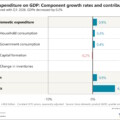
After six consecutive quarters of growth, the South African economy stalled in the second quarter (April–June) of 2026, weakening by 0,2%.1 Mining, trade and manufacturing drove down economic activity on the production (supply) side of the economy, while a sharp rise in imports and subdued investment constrained growth on the expenditure (demand) side. Three industries read more »
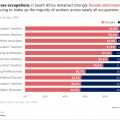
According to the latest report released by Statistics South Africa, Gender Series Volume XIII: Gender Disparities in Care Work in South Africa, 2026, gender differences are evident in the reasons people mention for not attending an educational institution. Males were more likely to cite poor academic performance, while females were more likely to report family read more »
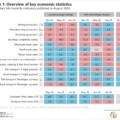
Stats SA published several notable outputs in August. The latest monthly estimates provide a preliminary view of economic performance in the second quarter of 2026. Other key outputs included manufacturing production capacity statistics, updated financial data for extra-budgetary accounts and funds (EBAs), unemployment data, and several articles highlighting trends affecting women in South Africa. Business read more »
South Africans may feel relatively safe in their neighbourhoods during the day, but that sense of security changes considerably after dark. The latest findings from Statistics South Africa’s (Stats SA’s) Governance, Public Safety and Justice Survey (GPSJS) 2025/26 show a mixed picture: while most individuals continue to feel safe walking alone in their neighbourhoods during read more »
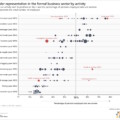
Gender representation varies across the economy, with women more highly represented in some industries compared with others. But most interesting of all is that gender representation varies within industries. Women currently occupy 44 of every 100 jobs in the South African workforce, according to the latest Quarterly Labour Force Survey (QLFS).1 The QLFS is the read more »
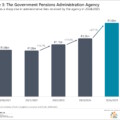
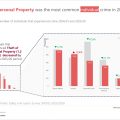
One of the many functions of government is to provide households with a safety net against social risks, such as unemployment, occupational injury, road accidents, loss of income and other forms of hardship. Supporting the vulnerable Many institutions across the public sector drive the social protection mandate. Several of these are classified as extra-budgetary accounts read more »
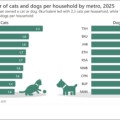
Every neighbourhood has one. The family whose dog enthusiastically greets everyone walking past the gate. The retiree taking the same faithful companion for an early morning stroll, or the farm dog that’s always first to notice a visitor arriving. On International Dog Day (26 August), these everyday companions, or “fur babies”, take centre stage. While read more »
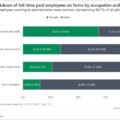
As Statistics South Africa continues to celebrate 30 years of democratic census-taking, we take a closer look at the vital role women play in agricultural activity in South Africa. Data from agricultural households and the commercial agriculture industry reveal important insights into the extent and nature of their contribution. Women headed just over half of read more »
The headline inflation rate cooled for the first time in five months, declining to 4,3% in July from 5,0% in June. The monthly increase in the consumer price index (CPI) was 0,2%, down from 0,7% in June. The slowdown can be attributed to three main factors: softer inflation for food & non-alcoholic beverages (NAB); lower read more »